What is E-Waste: Management, Recycling and Disposal
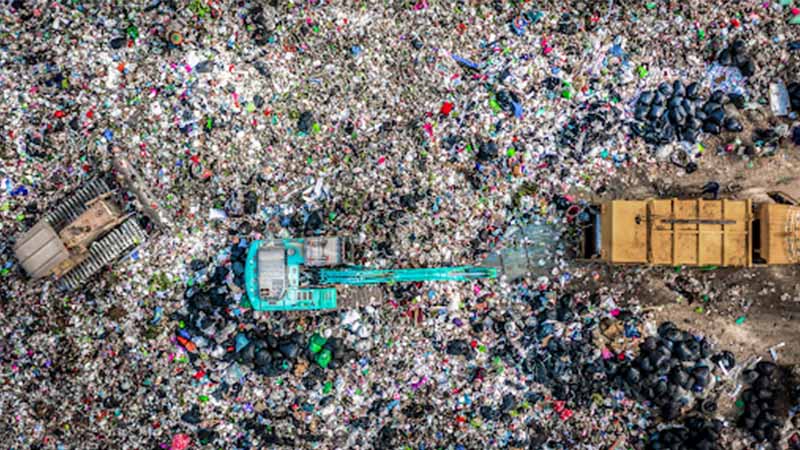
E-waste - and how it is managed, recycled and disposed of - is a hot topic. But what exactly is e-waste, and why is it so important?
E-waste is any electrical or electronic equipment that’s reached the end of its useful life and is being thrown away. It could be battery or mains powered, as long as it uses electricity for power.
Electrical refers to devices that use electricity just for power, like light bulbs, toasters and kettles. Electronic means devices like computers, smartphones and televisions that use electricity to control, process or manipulate information. We’re mostly going to be talking about electronic waste here, because Converge recycles electronic waste, but most of it applies to electrical waste too.
The problem with e-waste is that we’re producing so much of it. According to Statista, the UK alone generated 1.65 million tonnes of e-waste in 2022, up 5.6% from 2018. And less than a third of it is recycled.
Why is the amount of e-waste produced a problem?
1.65 million tonnes is a huge amount of waste to deal with. It’s the equivalent of 132 shards, or 137,000 double-decker buses.
But the fact that less than a third is recycled is an even bigger problem.
Too much e-waste goes to landfill
Most of the e-waste that isn’t recycled (more than 1.1 million tons in 2022) goes to landfill.
But electronic devices contain some very unpleasant toxic chemicals like lead, mercury, cadmium and brominated flame retardants. These chemicals are perfectly safe while the devices are in use. But when they’re cast into landfill, over time they can leach out into the environment. The impact of a single device may be negligible but, multiplied by millions or even billions of units over time, the total damage can be massive.
A lot of e-waste is disposed of illegally
While official figures are hard to come by, it’s estimated that as much as half a million tonnes of e-waste is exported illegally from the UK every year.
It’s exported to countries with less stringent rules over the disposal of e-waste. Some goes into landfill, but a significant amount is recycled. On the face of it this sounds like a positive result. But, many of the recycling processors are staffed by children and slave labour, with little to no consideration for health and safety. The same chemicals that can cause so much ecological damage are even worse for unprotected workers, who are suffering potentially life-changing long-term consequences.
E-waste is full of rare raw materials
As well as unpleasant chemicals, electronic waste is full of rare elements and precious metals. A smartphone contains gold, silver, copper, nickel, lithium and a huge number of rare earth elements, amongst other things.
All of these elements are expensive and have a substantial environmental cost to source.
If the device is properly, safely recycled, these elements and materials can be reused in the next generation of smartphones or computers, significantly reducing the need for new materials.
What can businesses do to help with the e-waste problem?
While there's no quick fix to the e-waste problem there are many things that businesses can do to make a real difference.
Be sustainable from the start
Sustainable use of electronics begins with the procurement stage. When you’re buying new equipment, make sure that it’s sustainable.
That could mean that devices are made primarily from recycled materials and parts. It could also mean that devices are modular, so they can be repaired and components replaced as required, rather than whole devices being replaced.
If you work with a sustainable supplier like Converge for your procurement, we’ll be able to advise you on the best options for your organisation. We will also provide a secure end-of-life recycling service, so your old devices can be disposed of safely and in an environmentally friendly way.
Reuse and redeploy devices
Wherever possible, you should reuse devices and tech within your business rather than just replacing them.
For example, if designers or developers need cutting-edge laptops to do their job, their old devices should still be powerful enough for less demanding admin use. And laptops that aren’t quite up to running essential accounting software might be fine for web-based apps.
If you can’t reuse devices internally, some charities and organisations specialise in redistributing old tech. Consider working with one of them to prolong the life of your devices as long as possible.
Manage end-of-life e-waste responsibly
When your devices reach the end of their useful life, make sure they are disposed of sustainably.
The easiest way to do this is to work with an IT recycling company like Converge. They’ll collect your old devices securely, make sure any data is completely erased then reuse and recycle as much as possible.
80% of a smartphone and a massive 98% of a computer can be recycled or reused. This reduces the tonnes of e-waste going to landfill and reduces the impact of sourcing new materials.
What are the benefits of using sustainable technology?
Using sustainable tech and minimising e-waste has a clear and obvious environmental benefit. Reducing the amount of waste going to landfill and cutting down on rare material production can only be a positive. But what are the benefits to organisations?
You’ll stay on top of legal compliance
Rules and legal requirements around e-waste are getting more stringent, and this is likely to continue. So, making sure you’re ahead of the rules will give you a head start when things ramp up further.
One way to do this is to work with a good recycling company, like Converge. They’ll be on top of the regulations and keep you up to date with any changes.
They’ll keep you on top of data protection rules, too. Since the introduction of GDPR, secure data disposal has become even more important. Converge use military-grade equipment to make sure devices are completely wiped before reusing or recycling them.
Using sustainable tech is better value for money in the long run
Although the initial outlay may be greater, investing in sustainable devices will save you money in the long run. Repairable tech with replaceable components will last longer before it needs replacing, which cuts down on replacement costs and recycling costs.
Better quality equipment will hold its value better too, so you’re much more likely to be able to sell or repurpose devices when they reach the end of their useful life.
You’ll be a more sustainable and ethical company
As we’ve already said, e-waste contributes to some significant ecological problems. By taking an active stance to combat e-waste, you position your organisation as a positive, ecological brand. It helps to fulfil environmental and social value targets, and presents an eco-conscious image to consumers.
Conclusion
E-waste is a big problem, and it’s not going away. Disposing of it in landfill is not a sustainable solution, and significant changes must be made.
Investing in a sustainable technology process now makes financial and ecological sense, and lays vital foundations for the future.
Working with a company like Converge, with decades of experience in sustainable and responsible technology procurement and e-waste disposal and recycling, is a great first step on that journey.
Get in touch if you’d like to know more.
-
 Converge brought technology Back to the Future at BETT 2026
-
 Converge Technology Solutions achieves Dual BSI Kitemark™ certification
-
 The Power of IT Recycling: Cut Your Organisation’s Carbon Footprint
-
 Life beyond carbon credits: Maximising Impact
-
 Meet Converge at Bett 2026, The World's Biggest EdTech Event